
Specialty Coffee Blends: How to Choose Your Perfect Cup
Updated on: 2026-05-02
Specialty coffee blends are built by combining thoughtfully selected lots to achieve balance, sweetness, and a consistent flavor profile. Many roasters and baristas focus on roast level, origin character, and grind size to preserve clarity while improving drinkability. The best blends match your brewing method and your taste preferences, not only your price point. This guide explains common mistakes, practical setup tips, and how to choose a blend you will enjoy repeatedly.
Specialty coffee blends combine multiple coffee components to create a more coherent cup than single lots alone. If you buy coffee often, you already know that freshness, roast style, and brewing choices can change everything. This article explains how specialty coffee blends are structured, what to watch for when selecting or brewing them, and how to avoid the most frequent performance errors. You will also learn practical steps to dial in flavor, texture, and aroma with minimal trial and error.
Common Mistakes to Avoid
Assuming “blend” means random mixing. A thoughtful blend is usually planned around flavor targets. Roasters often select coffees for complementary acidity, sweetness, body, and finish. If you treat a blend as an arbitrary mix, you may judge it unfairly or brew it inconsistently.
Ignoring roast intent. Specialty coffee blends can be roasted for brightness, balance, or deeper caramel notes. Roasting is not only color. It changes how soluble compounds develop and how aromatics express themselves. Matching your brewing approach to the roast intent prevents flatness and overextraction.
Using one recipe for every bag. Many drinkers rely on the same ratio, water temperature, and contact time for all coffees. Blends vary in density, solubility, and how quickly they release flavor. If you do not adjust grind and brew parameters, you may get sour edges or harsh bitterness.
Grinding too fine for brew method. Fine grind increases surface area. It can improve extraction for espresso, but it can also cause choking and over-saturation for other styles. For pour-over and immersion brewing, excessive fineness can dull sweetness and emphasize bitterness.
Overlooking water quality. Even the best specialty coffee blends can taste muted when your water is inconsistent. Water affects extraction, clarity, and perception of sweetness. Using water with stable mineral content helps you measure flavor more reliably from cup to cup.
Chasing novelty over consistency. A good blend is designed to be repeatable. Constantly switching recipes without tasting systematically makes it harder to understand what changed. Consistent tasting notes improve decision-making and reduce wasted coffee.

Four flavor wheels guiding blend balance
Neglecting storage conditions. Aroma is fragile. Exposure to oxygen, heat, and humidity reduces the expressiveness of specialty coffee blends. Store beans in an airtight container in a cool, dry place, and avoid repeated temperature swings.
Pros & Cons Analysis
Pros
- Balanced flavor by design. Blends can harmonize acidity and sweetness for a smoother overall cup.
- More consistent results. When a roaster builds a blend with redundancy, seasonal lot shifts can have less impact on flavor targets.
- Versatile across brewing styles. Many blends are structured to perform well in espresso, filter, and cold-style brews.
- Better “entry point” for new drinkers. If you are exploring specialty coffee blends, a balanced profile can make the learning curve less steep.
- Reduced risk of extreme notes. Single origins can be vivid but polarizing. Blends can temper extremes while retaining character.
Cons
- Less origin clarity. You may not taste distinct origin traits as clearly as you would with a single-origin coffee.
- Potential roast masking. Some blends are roasted darker, which can reduce perceived brightness and nuanced aroma.
- Dial-in still matters. Blends can be forgiving, but they still require adjustments to grind and brew time for optimal sweetness.
- Flavor complexity varies by batch. Even well-planned blends can change slightly due to crop variability and roast curve tuning.
When a blend is built with clear intent, the pros often outweigh the cons. The key is to evaluate it based on how it performs in your cup rather than on marketing language alone.
If you want an additional framework for choosing and tasting, this external guide can help you think about blend composition and brewing consistency: Signature Coffee Blends: How to Build Your Perfect Cup.
Quick Tips
- Start with a known baseline recipe. Use a ratio that suits your device, then adjust only one variable at a time.
- Dial grind size first. If the cup tastes sour, go slightly coarser less often; for bitterness, go coarser to reduce overextraction. Make small changes and wait for the next brew.
- Confirm your water temperature. Specialty coffee blends usually respond well to stable mid-to-high temperature ranges. If your water is too cool, sweetness can fade.
- Measure contact time. Pour-over technique and immersion duration affect how quickly solubles dissolve. Keep timing consistent while you experiment.
- Use fresh beans and grind immediately. Grinding releases aromas, but it also accelerates staling. Grind closer to brew time for clearer flavor.
- Think about aroma before taste. Smell often reveals whether the blend is underextracted or imbalanced. Bright, sweet aromatics usually signal good extraction.
- Evaluate finish, not only first sip. Many blends are designed for a lingering sweetness and clean finish. Note how the aftertaste evolves over 10 to 20 seconds.
If you brew with an espresso-focused workflow, consider how dose consistency and grind uniformity influence extraction stability. A suitable grinder helps you keep grind distribution tight, which makes blend performance more repeatable. If you are looking for a single-dose grinder option designed for precision, explore single-dose grinder options.
For those who prefer a filter setup, the same principles apply: grind uniformity, stable water, and controlled pour rate. If you want a blend designed for approachable everyday brewing, you can compare workflow expectations by checking Rockin Roast coffee.

Dial-in timeline showing sweetness and clarity checkpoints
Pair blends with brew methods
Different brew methods emphasize different parts of flavor. Espresso often highlights body and intense aromatics, while pour-over can clarify acidity and texture. Immersion brewing may increase sweetness perception but can also amplify bitterness if grind size or time is not controlled.
When choosing specialty coffee blends for a specific method, consider these general tendencies:
- For espresso: Look for blends that describe balance and clean finish. Adjust grind to reduce sourness and keep sweetness present in the crema and aftertaste.
- For pour-over: Favor blends that can express aroma without becoming thin. Medium to coarser settings can preserve sweetness.
- For immersion: Use consistent agitation if recommended by your method. If the cup tastes harsh, reduce grind fineness or shorten contact time.
Choose based on tasting goals
Instead of choosing only by roast level, choose by desired sensory outcomes. Ask what you want more of: sweetness, fruit-like brightness, chocolate depth, or floral aroma. Then select specialty coffee blends that align with that goal. Over time, you will learn which roasters and roast styles produce the flavor direction you prefer.
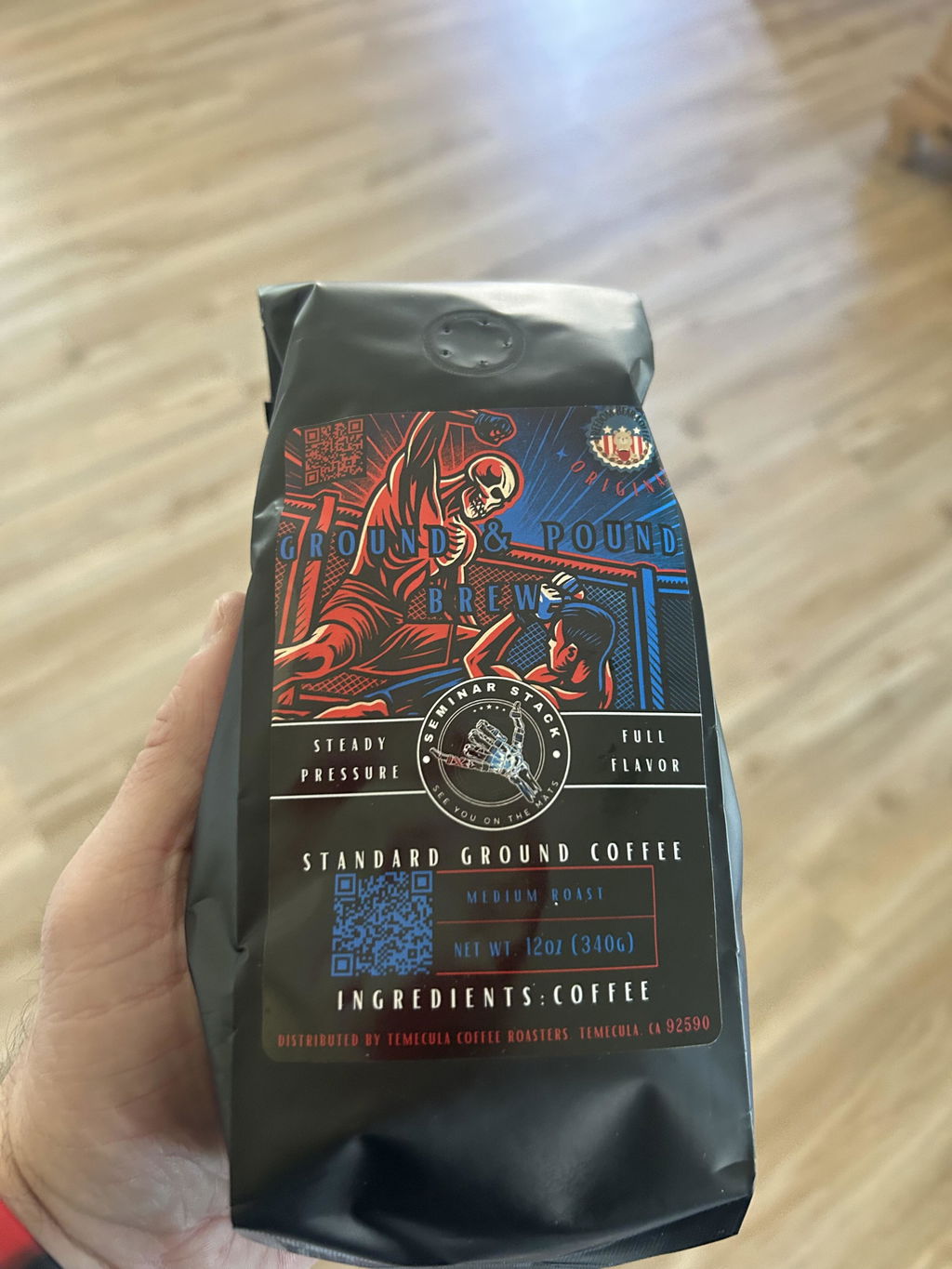
If you enjoy bolder sweetness and a comfort-forward profile, you can also explore Ground Pound Brew as an example of how blends can support consistent brewing.
For those who want a deeper, more intense approach, a darker roast blend can deliver a heavier mouthfeel and longer chocolate finish. You can evaluate this style by reviewing Relentless Brew. For a lighter, more aromatic direction, reviewing Morning Joe may be useful as a comparison point.
Wrap-Up & Key Insights
Specialty coffee blends are a practical way to achieve balance, sweetness, and repeatable flavor when the blending strategy is intentional. The most common failures come from treating blends like random mixes, using identical recipes for every bag, and ignoring water, grind size, and storage. If you keep your process consistent and adjust only one variable at a time, you will extract more sweetness and clarity from each cup.
Action step: Choose one blend, use a stable recipe for three brews, then make one controlled adjustment based on what you taste. This approach will help you understand the blend’s structure and improve confidence in future purchases.
Q&A Section
What makes specialty coffee blends different from generic blends?
Specialty coffee blends typically use carefully selected lots and a planned roast profile to target specific flavor characteristics. Instead of maximizing uniformity alone, the blending process aims to preserve desirable sensory traits while improving balance and drinkability.
How should I store specialty coffee blends for best flavor?
Store beans in an airtight container away from heat, light, and humidity. Keep the container in a cool, dry place. For best results, brew with freshly ground coffee and avoid prolonged exposure after opening.
Why does my blend taste sour on one day and bitter on another?
Flavor shifts often come from changes in grind consistency, water temperature, brew contact time, or water composition. Even small variations can change extraction, especially for specialty-level coffees. Use a consistent recipe and stable water, then adjust grind in small steps when you notice a trend.
Are specialty coffee blends suitable for both espresso and filter?
Many specialty coffee blends are built to perform across multiple brew methods. However, the optimal grind and extraction targets vary by method. If you brew espresso and filter, consider using separate recipes for each workflow while keeping ratios and timing measured.
About the Author
Freedom Bear Coffee LLC is an e-commerce coffee specialist focused on curated brewing experiences and practical guidance for everyday customers. This author writes with expertise in coffee education, roast and blend evaluation, and customer-first brewing support, helping readers turn good coffee into reliably great cups. With a focus on clarity and consistency, Freedom Bear Coffee LLC aims to make specialty coffee approachable and enjoyable. Thank you for reading, and enjoy your next brew.
Disclaimer: This article is for educational purposes only. Brewing results can vary based on equipment, grinder calibration, water chemistry, and freshness of the coffee. Always follow manufacturer instructions and adjust recipes responsibly to match your preferences.
The content in this blog post is intended for general information purposes only. It should not be considered as professional, medical, or legal advice. For specific guidance related to your situation, please consult a qualified professional. The store does not assume responsibility for any decisions made based on this information.